
Sustainable living involves adopting practices that reduce environmental impact and support ecological balance. This approach emphasizes efficient resource use, waste reduction, and habits that protect the planet's health. Key actions include consuming locally sourced foods, optimizing home energy use, and choosing renewable materials. Awareness of one's carbon footprint, recycling, and conservation is also essential. Ultimately, sustainable living aims to balance human activity with Earth's ecosystems for future generations.
Its importance lies in protecting the environment and ensuring a healthy planet. By embracing eco-friendly habits, such as reducing waste, lowering energy use, and supporting renewable resources like natural woven wood blinds, individuals and communities can significantly shrink their ecological footprint. These efforts help preserve natural habitats and combat climate change. Education on sustainability fosters responsible choices that benefit both current and future inhabitants.

Jump to:
The Role of Home Décor in Sustainability
Home décor plays a vital role in promoting sustainability through mindful consumption. Selecting eco-conscious materials like reclaimed wood and organic textiles lowers waste and carbon footprints. Choosing timeless designs over fleeting trends extends furniture lifespan, while incorporating secondhand pieces reduces resource demand. Indoor plants improve air quality and bring natural elements indoors. Sustainable décor reflects personal style while raising environmental awareness, inspiring others to adopt greener practices.
Natural Woven Wood Blinds: An Eco-Friendly Window Treatment
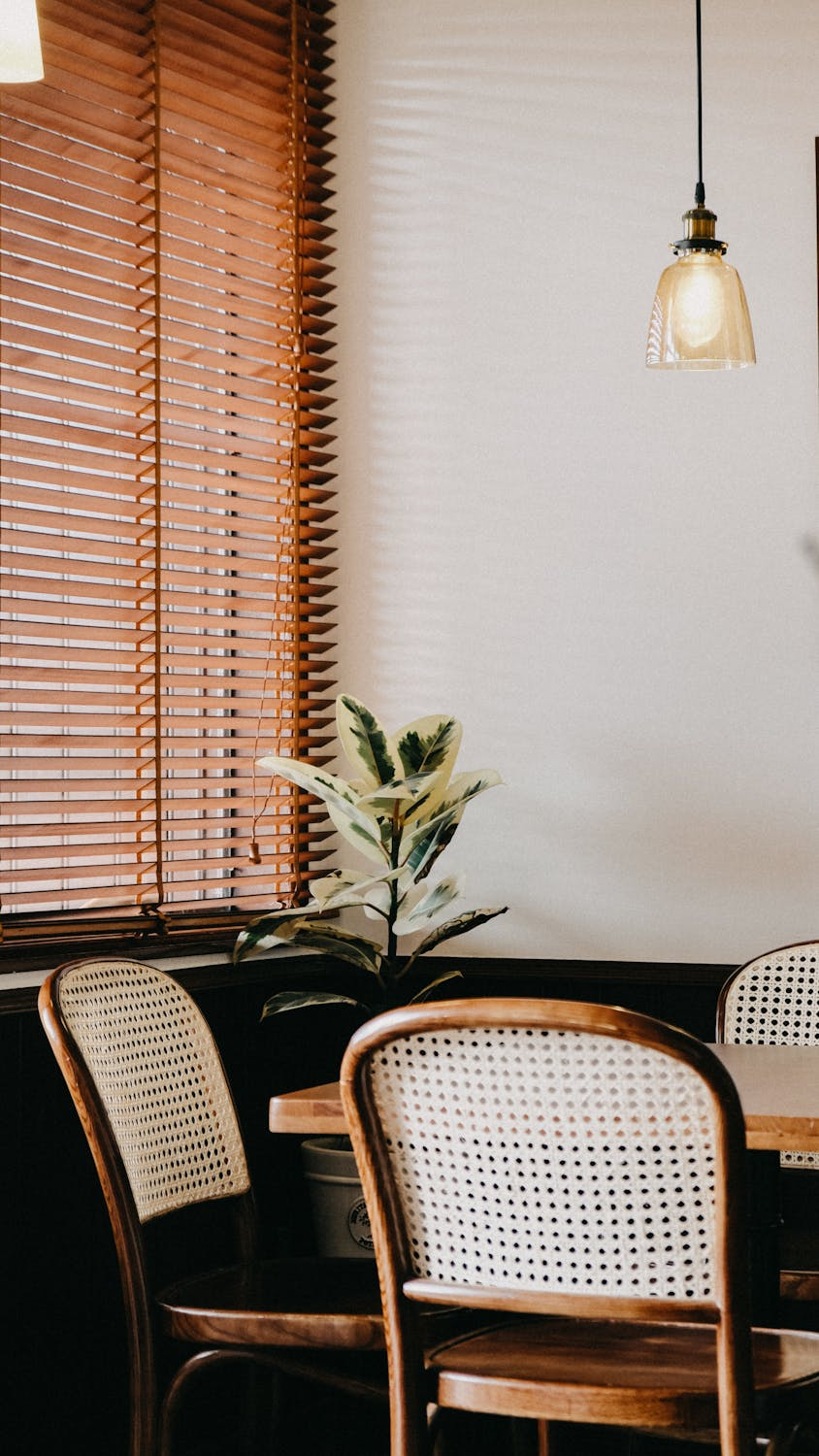
Natural woven wood blinds offer a sustainable and attractive window treatment option. Made from materials such as bamboo, grasses, and reeds, they add warmth and texture to interiors. Their organic look softly filters light while offering privacy, with each blind showing unique variations in color and weave. These blinds complement various design styles, combining functionality with natural beauty.
The production of natural woven materials involves intertwining fibers sourced from plants or other organic origins, using traditional handweaving or mechanized methods. This process avoids synthetic additives, highlighting craftsmanship and environmental responsibility. Each piece reflects a heritage of artistry while promoting sustainability.
Compared to traditional blinds, often made from vinyl or aluminum, offering uniform light control, natural woven blinds provide distinctive texture and warmth but may allow varying light passage. Each style meets different aesthetic preferences and functional needs.
Advantages of Natural Woven Wood Blinds
Natural woven wood blinds improve energy efficiency by enhancing insulation. Organic materials like bamboo trap air between slats, helping regulate indoor temperatures. They keep interiors cool in summer by blocking sunlight and retain warmth in winter, reducing reliance on heating and cooling systems. This dual function enhances comfort while supporting eco-friendly living.
Their natural aesthetic adds warmth and calm to a home. Emphasizing organic elements such as wood and plants creates a soothing environment that connects indoor spaces with nature. This simple, timeless style fosters serene surroundings ideal for relaxation.
These blinds are also durable and long-lasting, resisting wear and maintaining their appearance over time. Their resilience reduces frequent replacements, offering better value and consistent performance across environments.
Additionally, by improving insulation and light control, natural woven wood blinds help lower energy use and carbon emissions. Reduced artificial lighting during the day and less demand on climate control systems contribute to a smaller environmental footprint in homes and businesses.

Incorporating Natural Woven Wood Blinds into Interiors
When integrating these blinds, it is important to consider the overall décor style. For modern interiors, sleek, minimalist designs in neutral tones blend seamlessly with contemporary furnishings. Rustic spaces benefit from textured or wooden blinds that add warmth and character. Light-colored shades suit coastal themes, while patterned styles complement vintage décor. Ensuring materials harmonize with existing colors and textures creates a cohesive look.
Proper maintenance preserves their appearance and function. Regular dusting with a soft cloth or vacuuming with a brush attachment prevents dirt buildup. Occasional gentle cleaning with a damp cloth is recommended, avoiding harsh chemicals that could damage fibers. Inspecting for wear and addressing issues promptly prolongs the lifespan. Protecting blinds from direct sunlight helps maintain color and texture.
Additional Sustainable Home Décor Ideas
Other eco-friendly décor options include bamboo furniture, reclaimed wood shelving, and organic cotton curtains, combining style with environmental responsibility. Recycled glass vases, plant-based resin sculptures, and natural textiles such as hemp or jute for rugs and cushions further sustainability. Indoor plants beautify spaces and improve air quality. Choosing these items supports a stylish yet environmentally conscious home.
When selecting décor, it is advisable to define a personal style and cohesive color palette. Researching materials, textures, and trends suited to the space ensures functionality and harmony. Setting a budget, comparing prices, and accurately measuring areas helps avoid unsuitable purchases. Each piece should align with the home's intended atmosphere and comfort.
FAQs
Are natural woven wood blinds suitable for humid environments?
Yes, many natural woven wood blinds are treated to resist moisture and are suitable for use in moderately humid spaces such as kitchens and bathrooms. However, excessive moisture can affect some materials, so proper ventilation is recommended.
How energy efficient are natural woven wood blinds compared to other window treatments?
Natural woven wood blinds provide good insulation by trapping air and reducing heat transfer. While they may not offer as tight a seal as cellular shades, their ability to block sunlight and retain heat helps reduce energy consumption significantly.
Can natural woven wood blinds be custom-made to fit unusual window shapes?
Yes, many manufacturers offer custom sizing and designs to accommodate non-standard window dimensions and shapes, ensuring a perfect fit and maintaining aesthetic appeal.


Leave a Reply