
Investing in a high-quality outdoor shelter is a fantastic way to enhance any garden or commercial event space. These structures offer versatile protection against the unpredictable weather, providing shade during rare heatwaves and cover when the clouds inevitably gather. However, the longevity of your equipment depends heavily on how well you look after it between uses.
Proper maintenance isn't a task you should overlook if you want to get the most out of your purchase. Taking the time to perform regular checks and cleaning will prevent the build-up of grime and protect the integrity of the materials. It's worth following these simple steps to ensure your shelter remains in top condition for every season. Follow along to discover the best practices for keeping your structure clean, dry, and ready for action.
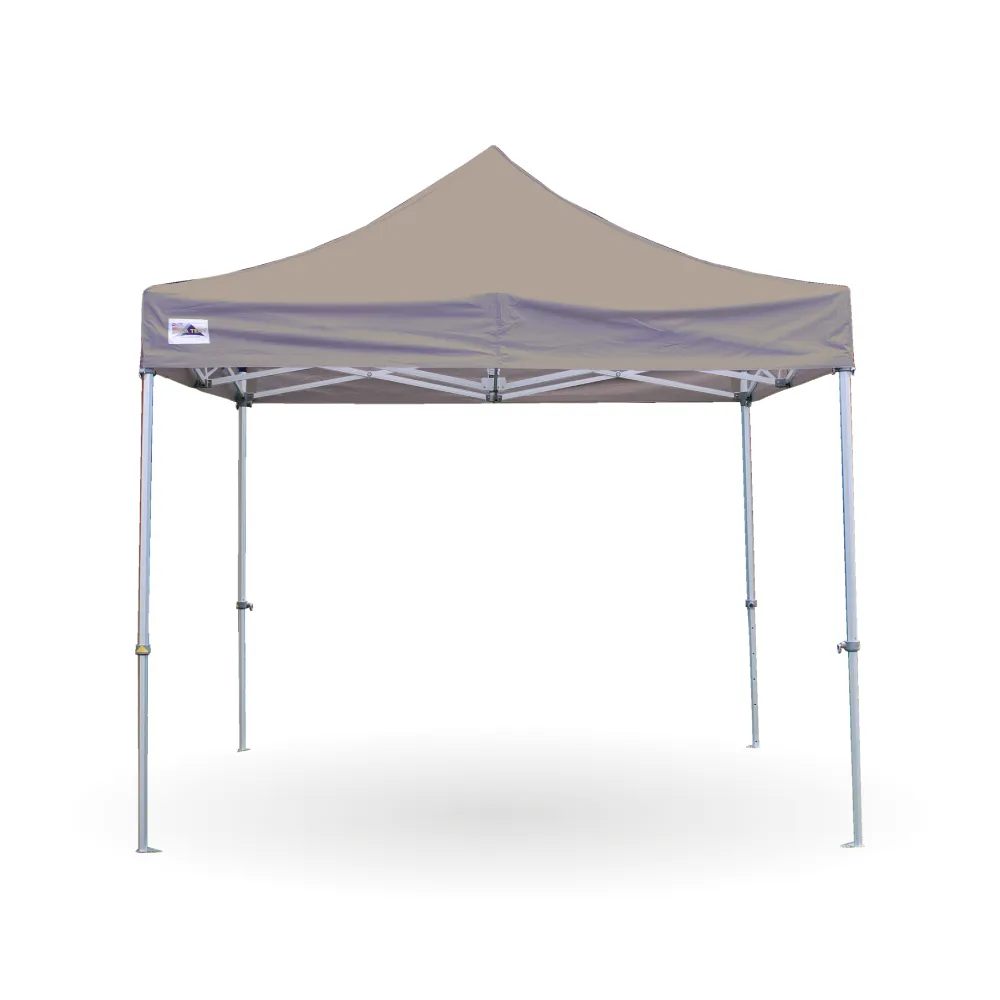
Regular Cleaning for Longevity
The first step in caring for your structure is addressing dirt as soon as it appears. Dust, bird droppings, and fallen leaves can cause staining or even lead to material degradation if they're left for too long. You should aim to give the canopy a gentle wipe down after every few uses, especially if it's been situated under trees or in a particularly exposed area.
When you're cleaning the fabric, it's best to use a soft sponge and a bucket of warm, soapy water. Avoid using harsh chemical cleaners or bleach, as these can strip away the protective coatings that provide water resistance. If you're looking for a reliable replacement or a new setup, Gala Tent gazebos are designed with durability in mind, and are the industry standard all across the UK.
Once you've finished washing the material, you must allow it to air dry completely while it's still attached to the frame. Never pack away a damp canopy, as this is the primary cause of mould and mildew growth. These fungi can ruin the appearance of the fabric and create unpleasant odours that are very difficult to remove later.
Frame Maintenance and Checks
While the fabric often gets the most attention, the frame is the skeleton of your structure and requires its own level of care. You should regularly inspect the joints and legs for any signs of wear or loose fixings. Wiping the frame down with a dry cloth will help to remove any grit or moisture that might have accumulated in the sliding mechanisms.
If you find that the frame is becoming difficult to open or close, a small amount of silicone-based lubricant can help the parts move more freely. You shouldn't use WD-40 or heavy oils, as these can attract more dirt and eventually gum up the system. Ensuring the legs are clean and free from debris will make the setup process much smoother the next time you need it.
It's also important to remember that these are temporary structures. While they're built to be robust and high-quality, they aren't intended for permanent outdoor installation. If a heavy storm or high winds are forecast, the safest option is always to take the structure down to prevent any accidental damage to the frame or the surrounding property.
Professional Storage Techniques
When the event season comes to a close, storing your gazebo correctly is the best way to protect your investment. You'll need a cool, dry place like a garage, loft, or a dedicated storage cupboard. Avoid damp sheds or areas where the temperature fluctuates wildly, as this can lead to condensation forming inside the storage bags.
To keep everything organised and protected, follow these storage tips:
- Remove the canopy and side walls from the frame before packing.
- Fold the fabric neatly to avoid sharp creases that could weaken the material over time.
- Place the folded fabric into a breathable storage bag rather than a sealed plastic bin.
- Keep the frame in its own protective carry case to prevent it from scratching other items.
- Store all pegs and guy ropes in a small, separate pouch so they don't get lost.
By following these steps, you'll ensure that everything stays together and remains in excellent condition.
To Summarise
Taking care of your outdoor equipment doesn't have to be a chore. A bit of regular effort goes a long way in maintaining the professional appearance and structural integrity of your kit. It's about being proactive and ensuring that moisture and dirt don't have the chance to cause permanent damage.
Whether you use your structure for garden parties or professional trade stands, these simple maintenance habits will pay off in the long run. If you treat your gear with respect, it'll continue to provide excellent service for many years to com



Leave a Reply