
Moringa, a well-known plant around the world, grows in many regions of Africa and Asia. Because of this amazing nutritional profile, you see a lot of people clamoring to add moringa supplements to their daily lives. However, alongside the many benefits of moringa, there are important cautions and contraindications to keep in mind before consuming it regularly as part of any health program.
Decoding the Nutritional Profile of Moringa
Moringa leaves are high in several essential nutrients, including vitamins A, C, E, and minerals such as calcium, iron, and potassium. So, it is a superfood and appears to be a desirable food plan preference because of these nutrients. Although moringa provides an exceptional amount of nutrients, supplementation may not be appropriate for everyone, and being aware of personal health needs is very important.
Potential Side Effects
Moringa is safe for the most part when taken in moderation. Yet, high amounts can cause negative effects. Some people experience stomach upsets, nausea, or diarrhea when taking moringa supplements. To avoid these side effects, it is best to start with a small amount and then increase the dose while paying attention to the body's response.
Interaction with Medications
Moringa is known to interact with certain medications, which is one of the major concerns related to moringa supplements. Moringa can also reduce blood pressure and may do so in individuals already on medication for hypertension (16). It may also impact blood sugar concentration, so those taking diabetes drugs should be careful. Talk to a health care professional before adding moringa to the diet to ensure safety and avoid adverse interactions with medications.
Is it Safe to Take When Pregnant or Breastfeeding?
Moringa may not be safe to take while pregnant, so pregnant and breastfeeding individuals should pay special attention when considering taking moringa. However, despite some traditional practices recommending moringa in pregnancy, scientific evidence is still lacking. Overconsumption can cause troubles such as possibly miscarriage. It is crucial to consult healthcare providers for pregnant women and breastfeeding women before adding moringa supplements to the diet.
Allergic Reactions
Moringa allergies, while uncommon, are possible. That is a condition characterized by itching, swelling, rashes, or shortness of breath, among others. People who have a known allergy to plants in the Moringaceae family may want to completely avoid moringa supplements. However, it is important to identify any signs of an allergic reaction early and seek emergency medical care to prevent life-threatening situations.
Opting for Quality Products
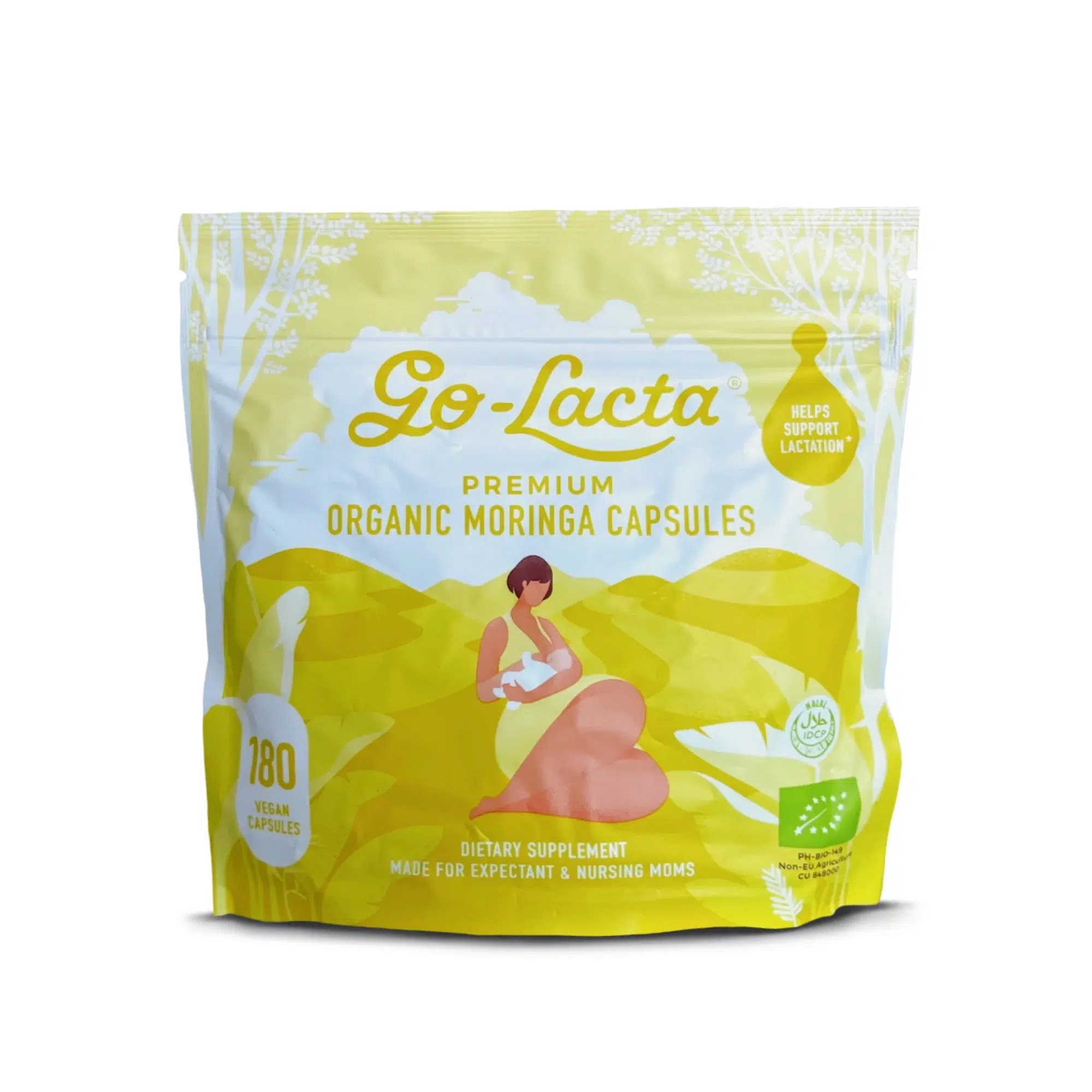
Although there is a wide range of moringa supplements available in the market when you are exploring the options to buy moringa capsules for immune support, not all of them qualify for safety and quality. Selecting premium products is crucial to prevent any harmful additives or contaminants that might endanger health. By researching trustworthy brands, scrutinizing product labels, and looking for third-party certifications, consumers can help make sure that only safe and effective supplements enter their diets.
Watching out for the dose and frequency
Moringa supplements can be most effective with the right dosage and frequency. As previously mentioned, exceeding the recommended amounts can have adverse effects. Following the direction of nutritionists or doctors helps balance the consumption of nutrient-rich foods, and letting people obtain those nutrients benefits other natural substances without negatively affecting their health. It is also critical to check how the body is responding to tweak the dosage if required.
Talking to Health Experts
It also cannot be stressed enough that health professionals must always be consulted before making any buy moringa capsule or making alterations to a health routine. This could help support an understanding of individual health needs and any potential contraindications. Healthcare professionals offer personalized information and guidelines on the safe consumption of moringa. Doing so minimizes risks and maximizes the benefits of moringa.
Conclusion
Moringa is a nutrient-rich plant that offers many potential health benefits as a supplement. However, comprehension of and adherence to the accompanying cautions and contraindications are necessary for safe use. This empowers the individual by making them ultimately aware of any potential side effects, interactions with other medications, or certain considerations for certain populations, i.e., pregnant individuals. To maximize the benefits of moringa while ensuring that its potential risks are minimal, consulting healthcare professionals before moringa is included in any regimen is imperative. Like any supplement, tailored guidance and circumspection are key to best health practices.


Leave a Reply