
The second-hand fashion revolution is changing how we dress, with sustainability meeting style in ways that would have seemed impossible just a decade ago. As fashion-conscious consumers reject the throwaway culture of fast fashion, pre-loved pieces have emerged as the secret weapon for creating distinctive, environmentally responsible wardrobes that stand apart from mass-produced homogeneity.
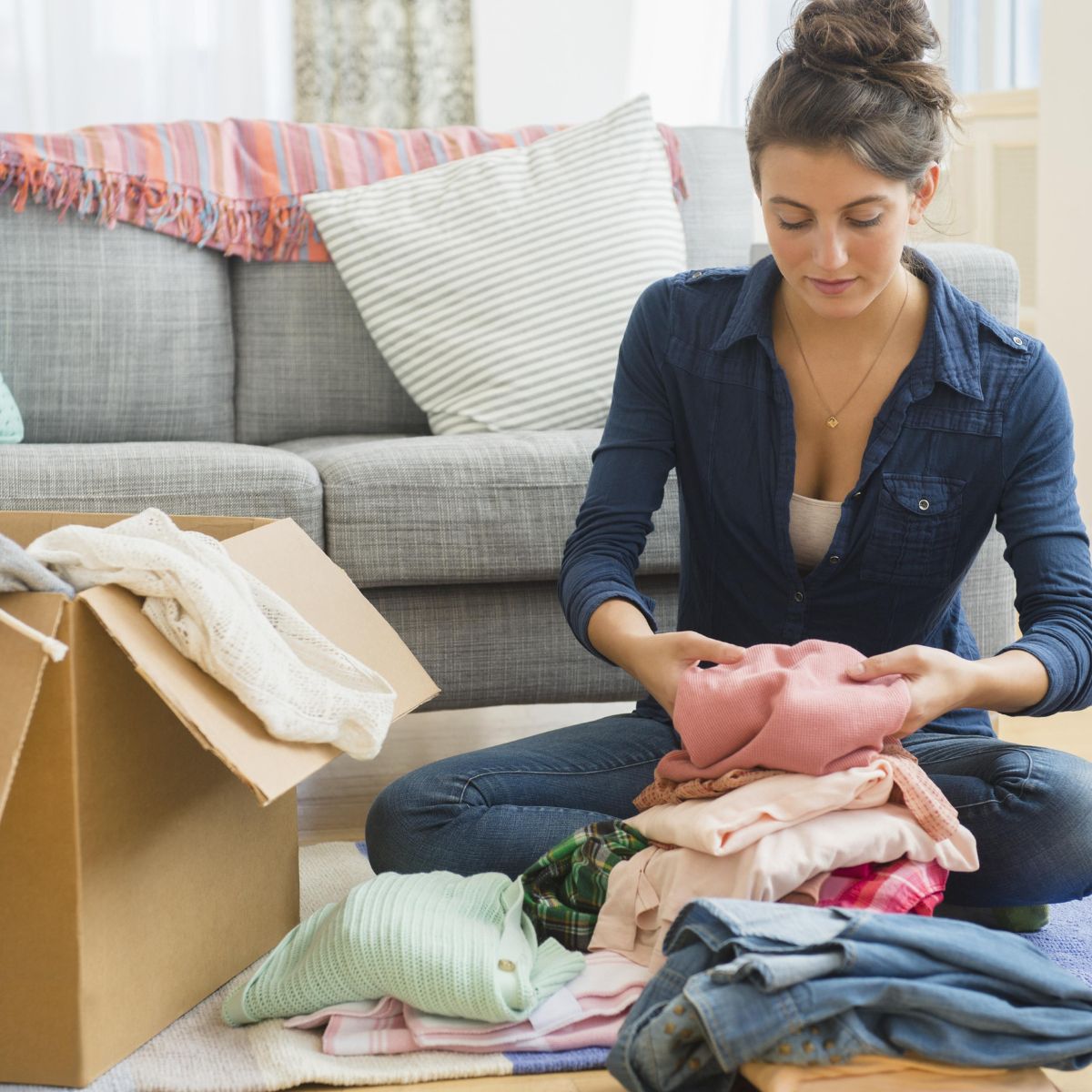
- Sustainable Style with Purpose
Choosing second-hand fashion delivers profound environmental benefits that go beyond your wardrobe. The fashion industry contributes approximately 10% of global carbon emissions, making it a significant driver of climate change. When you opt for pre-owned garments, you're actively reducing demand for new production, which requires substantial water usage, sometimes up to 2,000 gallons for a single pair of jeans. UK consumers bought 32% more second-hand clothes in 2022 compared to 2018, showing a growing awareness of fashion's environmental impact. When extending the lifecycle of existing garments, second-hand shopping prevents perfectly wearable items from reaching landfills whilst avoiding the carbon footprint associated with manufacturing, packaging, and shipping new products.
- Budget-Smart and Value-Rich Choices
In an era of rising living costs, second-hand shopping stretches budgets further than traditional retail. Designer pieces that would typically cost hundreds of pounds can be acquired for fractions of their original prices, allowing fashion enthusiasts to access luxury brands previously beyond their reach. The UK's second-hand clothing market reached £4.3 billion in 2024, with consumers saving an average of £5.6 billion by choosing pre-owned goods over new alternatives. This is exceptional value, particularly when investing in quality pieces from premium brands that maintain their style and construction over decades. The financial advantages are more than just individual purchases, and building a capsule wardrobe through strategic second-hand shopping creates long-term savings whilst developing a more thoughtful approach to consumption.
- Personalisation and Timeless Appeal
Pre-loved items offer unparalleled opportunities for wardrobe personalisation that fast fashion simply cannot match. Vintage finds and unique pieces tell stories, bringing character and individuality that mass-produced garments lack entirely. A piece of pre-owned jewellery can lend character to your outfit in ways that contemporary accessories cannot replicate, adding distinctive touches that reflect personal style instead of seasonal trends. The growing appreciation for vintage aesthetics has changed second-hand shopping from necessity to choice, with younger generations particularly embracing pre-loved fashion as a form of creative self-expression. This shift is a fundamental change in how we perceive value, prioritising uniqueness and craftsmanship over newness and conformity.
- UK Market Momentum and Cultural Trends
Britain's second-hand market shows great momentum, driven by changing cultural attitudes and innovative platforms that make sustainable shopping more accessible than ever. Generation Z leads this transformation, with 68% having purchased second-hand items recently, whilst even Baby Boomers show significant engagement at 46%. The market encompasses diverse retail formats, from established charity shops to online platforms, pop-up stores, and dedicated vintage boutiques. This proliferation of channels means consumers can find second-hand options that match their shopping preferences, whether seeking designer bargains, vintage statement pieces, or everyday essentials. The cultural shift is more than environmental consciousness; it reflects a broader rejection of disposable culture in favour of considered consumption that values quality, provenance, and individual expression.
Second-hand fashion has evolved from alternative shopping options to a mainstream movement, offering environmental benefits, financial advantages, and unmatched personalisation opportunities. As the market continues expanding, embracing pre-loved pieces becomes a sustainable choice, as well as a savvy style strategy that elevates your wardrobe whilst supporting a more thoughtful approach to fashion consumption.




Leave a Reply