
Modern life can feel relentlessly busy.
Between work commitments, family responsibilities, endless notifications, household tasks, and social obligations, many people find themselves craving something increasingly rare: calm.
While we cannot always control what happens outside our homes, we can influence the environment we create within them.
In recent years, there has been growing interest in designing homes and routines that actively support wellbeing. People are becoming more intentional about how their spaces look, feel, and function. Rather than viewing the home solely as a place to eat and sleep, many are transforming it into a sanctuary that promotes relaxation, balance, and comfort.
The encouraging news is that creating a calmer home does not require a major renovation or expensive lifestyle changes. Often, small daily habits make the biggest difference.
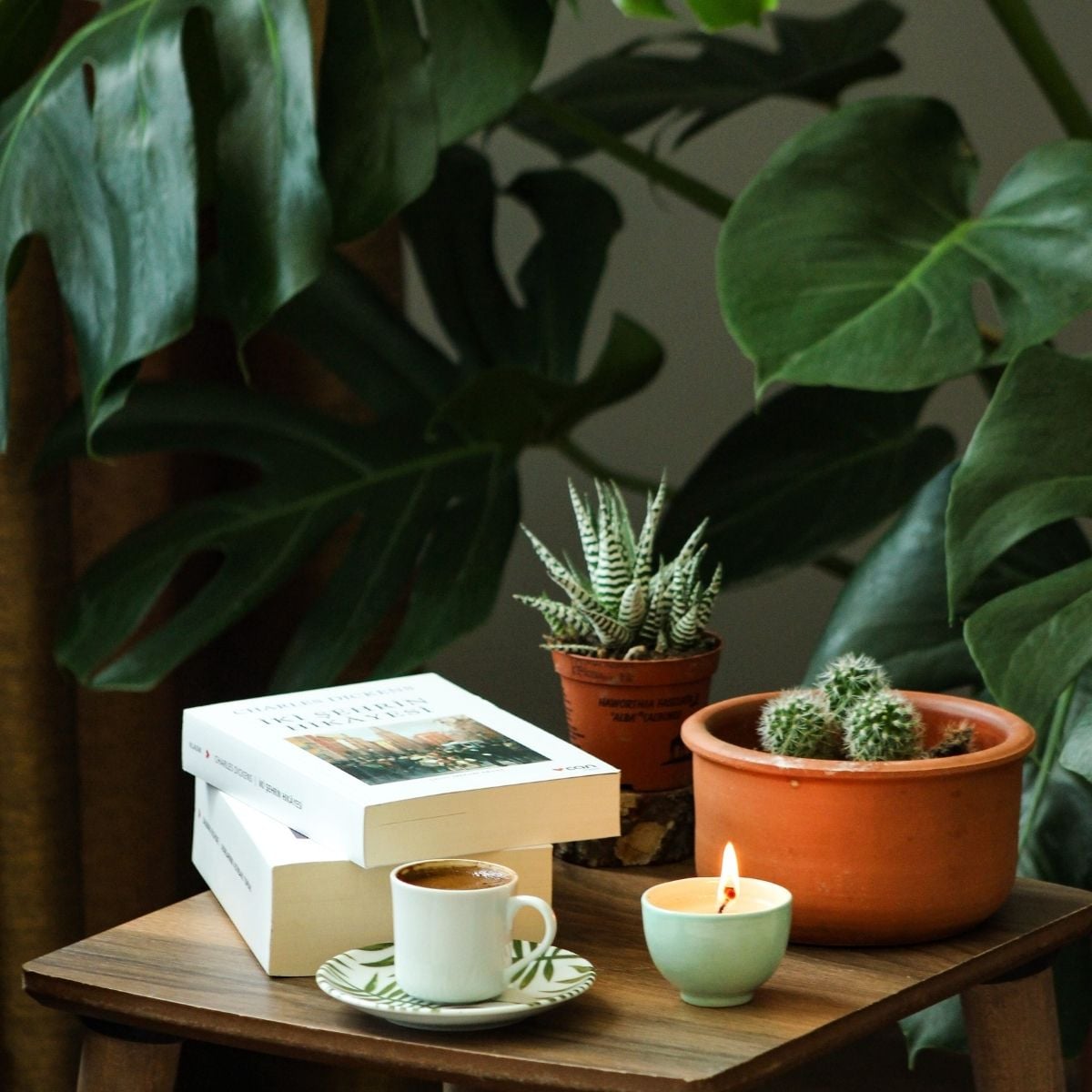
Why Home Environment Matters
Our surroundings influence us more than we often realise.
The atmosphere of a home can affect:
- Stress levels
- Sleep quality
- Productivity
- Focus
- Mood
- Family interactions
A cluttered, chaotic environment can contribute to feelings of overwhelm, while a thoughtful and organised space often encourages a greater sense of ease.
As awareness of mental wellbeing continues to grow, more people are recognising the connection between their environment and overall quality of life.
Creating a peaceful home is no longer viewed as a luxury. It is increasingly considered an important part of self-care.
The Rise of Intentional Living
One of the most significant lifestyle trends in recent years has been intentional living.
Rather than constantly accumulating possessions or chasing trends, many people are focusing on creating spaces that align with their values and priorities.
Intentional living encourages us to ask:
- What genuinely adds value to my life?
- How do I want my home to feel?
- Which habits support my wellbeing?
- What can I simplify?
The answers often lead to calmer environments and more meaningful daily routines.
Small Changes Create Lasting Results
Many people assume that improving wellbeing requires dramatic action.
In reality, sustainable improvements are often built through small, consistent habits.
Examples include:
- Making the bed each morning
- Reducing clutter
- Establishing evening routines
- Spending time away from screens
- Creating dedicated relaxation spaces
- Introducing calming sensory experiences
These simple practices can gradually transform how a home feels and functions.
Why Routines Help Reduce Stress
Daily routines provide structure during busy periods.
When certain activities become habits, they require less mental energy and decision-making.
This is particularly valuable for families juggling multiple responsibilities.
Morning routines can create smoother starts to the day.
Evening rituals can help signal to the mind and body that it is time to unwind.
The most effective routines are often the simplest.
Consistency matters far more than complexity.
The Importance of Creating Moments of Pause
One challenge of modern life is the constant pressure to remain productive.
Many people move directly from one responsibility to another without allowing themselves opportunities to slow down.
Yet wellbeing often improves when we intentionally create moments of pause.
These moments do not need to be lengthy.
A few minutes spent reading, journaling, stretching, or simply sitting quietly can help create a sense of balance.
Small rituals often provide an anchor during otherwise hectic days.
How Sensory Experiences Shape Our Environment
A home's atmosphere is influenced by more than furniture and décor.
Sensory experiences play an important role in how spaces make us feel.
This includes:
Lighting
Soft, warm lighting often creates a more relaxing environment than harsh overhead lights.
Sound
Music, nature sounds, or simply reducing unnecessary noise can influence mood.
Texture
Comfortable blankets, cushions, and natural fabrics contribute to feelings of comfort.
Scent
Perhaps most powerfully, scent can influence emotions, memories, and overall atmosphere.
Many luxury hotels, spas, and wellness retreats intentionally use fragrance to create specific experiences.
Increasingly, homeowners are doing the same.
Why Aromatherapy Continues to Grow in Popularity
Aromatherapy has been practised for generations and remains one of the most accessible wellness rituals available.
Many people use essential oils as part of their efforts to create calming environments and support moments of relaxation.
What makes aromatherapy appealing is its simplicity.
It can be incorporated into everyday life through:
- Diffusers
- Bath rituals
- Home fragrance blends
- Massage oils
- Bedtime routines
Consumers are increasingly drawn to natural wellness solutions that complement rather than complicate their lifestyles.
The Appeal of Sandalwood
Among the many essential oils available today, sandalwood remains one of the most recognised and widely appreciated.
Its rich, warm, and grounding aroma has made it a favourite within wellness and self-care communities for many years.
Many people choose sandalwood essential oil as part of their relaxation rituals because its distinctive fragrance helps create an atmosphere that feels calm, comforting, and restorative.
Whether used during an evening wind-down routine, meditation practice, or simply to enhance the ambience of a room, sandalwood continues to be associated with moments of peace and reflection.
Its enduring popularity reflects a broader desire for simple ways to bring balance into everyday life.
Creating a Relaxing Evening Routine
One of the most effective ways to improve wellbeing is by developing a consistent evening routine.
Many people struggle to transition from busy days into restful nights.
Simple habits can help create that shift.
Examples include:
- Dimming lights
- Limiting screen time
- Reading a book
- Taking a warm bath
- Practising gratitude
- Using calming scents
The goal is not perfection.
The goal is creating signals that encourage the mind and body to slow down.
Over time, these rituals can contribute to improved relaxation and better sleep habits.
Why Self-Care Looks Different for Everyone
Self-care is often portrayed as elaborate spa days or expensive wellness experiences.
In reality, self-care is highly personal.
For some people, it means spending time alone.
For others, it means connecting with family.
Sometimes it is as simple as enjoying a quiet cup of tea or taking ten minutes to breathe deeply after a demanding day.
The most effective self-care practices are those that fit naturally into everyday life.
The Family Benefits of a Calmer Home
Creating a peaceful environment does not only benefit individuals.
It can positively influence the entire household.
Children often respond well to predictable routines and calm environments.
Partners may communicate more effectively when stress levels are reduced.
Families frequently find that small improvements in atmosphere contribute to stronger relationships and a greater sense of connection.
A calm home becomes a place where everyone feels supported.
The Wellness Trend That Is Here to Stay
While many lifestyle trends come and go, the desire for wellbeing appears increasingly permanent.
People are recognising that health extends beyond diet and exercise.
It also includes how we live, how we rest, and how we care for ourselves on a daily basis.
Creating a calmer home is one of the most accessible ways to support overall wellbeing.
It does not require perfection.
It simply requires intention.
Whether through thoughtful routines, comfortable surroundings, or small sensory rituals, every household has the opportunity to create a space that feels more balanced and restorative.
And in a world that often feels fast-paced and demanding, that may be one of the most valuable investments we can make.



Leave a Reply