
Winter outfits are often built around structure. Coats define lines, set proportions and hold silhouettes in place against the weight of cold-weather layers. The teddy coat enters this landscape differently. Rather than reinforcing structure, it alters perception. Its texture becomes the dominant element, shifting the way winter outfits are experienced rather than how they are composed.
What distinguishes a teddy coat is not its shape, but its surface. The moment it is added, the outfit feels different - softer, warmer, less rigid. This change is immediate and intuitive, affecting both the visual balance of the look and the way it moves through space. In winter, when clothing can easily become heavy or severe, texture introduces an alternative kind of presence.
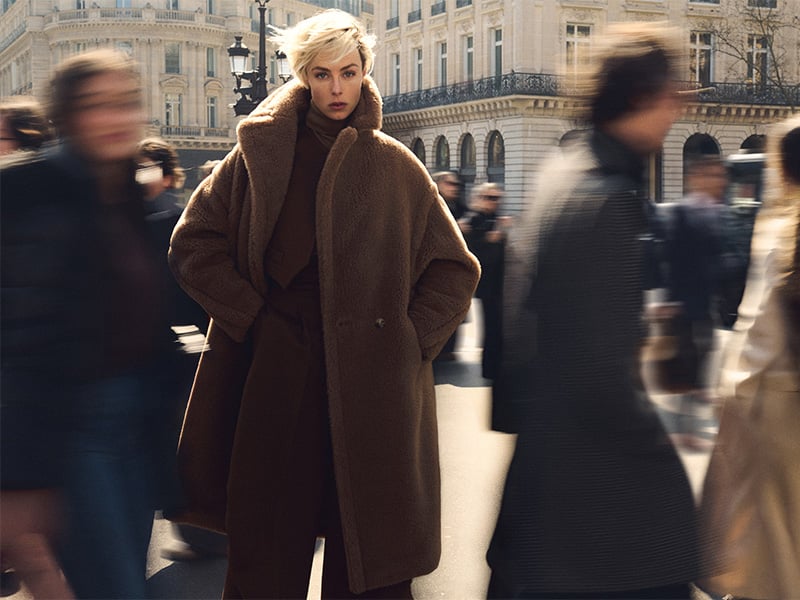
Texture as the primary statement
Unlike smooth wool or tailored outerwear, the teddy coat communicates through touch as much as through sight. Its dense, tactile surface absorbs attention, making texture the focal point of the outfit. This does not require complex styling or contrast; the material itself carries enough character to redefine the overall impression.
When worn over simple layers, the teddy coat adds depth without complication. It does not rely on sharp lines or precision to make an impact. Instead, it softens the outline, allowing the outfit to feel more relaxed and approachable. Texture replaces detail, creating interest through material rather than construction.
How softness reshapes winter dressing
Softness plays a particular role in winter wardrobes. As temperatures drop, fabrics become heavier and silhouettes more enclosed. The teddy coat responds to this by offering volume without severity. Its weight feels protective rather than restrictive, changing the way the body relates to outerwear.
This softness reshapes familiar combinations. Tailored pieces beneath a teddy coat lose some of their formality, while casual layers gain presence. The coat does not impose hierarchy; it equalises. By doing so, it alters the emotional tone of the outfit, making winter dressing feel less controlled and more intuitive.
Movement, volume and visual rhythm
The teddy coat also changes how outfits behave in motion. Its volume responds differently to movement, shifting gently rather than holding a fixed line. As the wearer walks, sits or turns, the coat creates a slower, more fluid rhythm.
This movement affects how winter outfits are perceived. Where structured coats emphasise precision, the teddy coat introduces ease. It allows garments underneath to exist without being tightly framed, creating a sense of openness even in layered looks. Volume becomes expressive rather than dominant, contributing to a more relaxed visual flow.
Everyday outfits, reinterpreted through texture
In daily rotation, the teddy coat has a transformative effect. Simple combinations - knitwear and trousers, denim and boots, minimal layers - take on a different character once texture enters the equation. The outfit may remain unchanged, but the way it is read shifts.
This reinterpretation is subtle. The coat does not overwhelm the look or demand adjustment. Instead, it alters emphasis, drawing attention away from structure and towards surface. The result is an outfit that feels considered without appearing constructed, shaped by material rather than styling effort.
A different kind of winter presence
The teddy coat offers an alternative to traditional winter outerwear by changing how outfits feel rather than how they function. Its contribution is sensory, affecting warmth, movement and perception at once. In a season often dominated by practicality and repetition, texture becomes a way of reintroducing variation.
By prioritising softness and volume, the teddy coat creates space for winter outfits to breathe. It does not replace structure, but it reframes it, offering a different experience of dressing in cold weather. Through texture alone, it shifts the mood of the season - turning familiar combinations into something newly felt rather than newly styled.
Approaching comfort and form with balance, the Max Mara way
In a world where daily life unfolds through a sequence of movements and roles, clothing must harmonise softness with structure, comfort with clarity. Max Mara has long understood this delicate interplay, shaping a design philosophy that prioritises balance as a guiding principle.
Rather than seek impact through excess or ornamentation, the Maison cultivates a refined sense of presence - creating garments that align with the rhythm of everyday life while conveying composure and purpose.
This perspective resonates with women who see style as integrated with living rather than separate from it. Their wardrobes are built on pieces that feel intuitive, garments that support activity and expression without undue constraint or theatricality. They value clothing that adapts to shifting contexts, that responds to motion with ease, and that combines tactile warmth with a thoughtful silhouette. For these women, comfort and refinement are not opposites, but complementary elements of a coherent aesthetic.
Outerwear remains one of the purest expressions of this philosophy within Max Mara's collections. Coats and jackets are conceived as structural companions, offering reassurance as well as adaptability.
Among these, the Teddy coat stands out for its distinctive volume and exceptional textile quality - a luxurious blend of wool with alpaca or camel fibres on a silk foundation that feels both enveloping and impeccably refined. Originally inspired by an archival garment and reimagined for contemporary life, its generous shape captures the spirit of thoughtful design in motion.
Yet beyond any single piece, what defines Max Mara's approach is a broader commitment to garments that express balance as a lived experience. Each design reflects a belief in harmony between form and function, offering clothing that supports women with quiet authority, enduring relevance and a sense of ease that feels inherently modern.




Leave a Reply