
Transporting fish in a bag full of water over walking distance is one thing. It's quick, simple, and there's not much that can go wrong if you're only going a few minutes away. Transporting fish over a long distance is a completely different thing. There's plenty to think about, let alone organizing everything in small details. However, it can be done, but it requires a little attention.
Moving a container in your car might work until water starts spilling on the first turn you make. If you think about it, it almost sounds like mission impossible. Don't worry, there are ways to do it properly though. Here's everything you have to know when figuring out how to transport fish long distance.
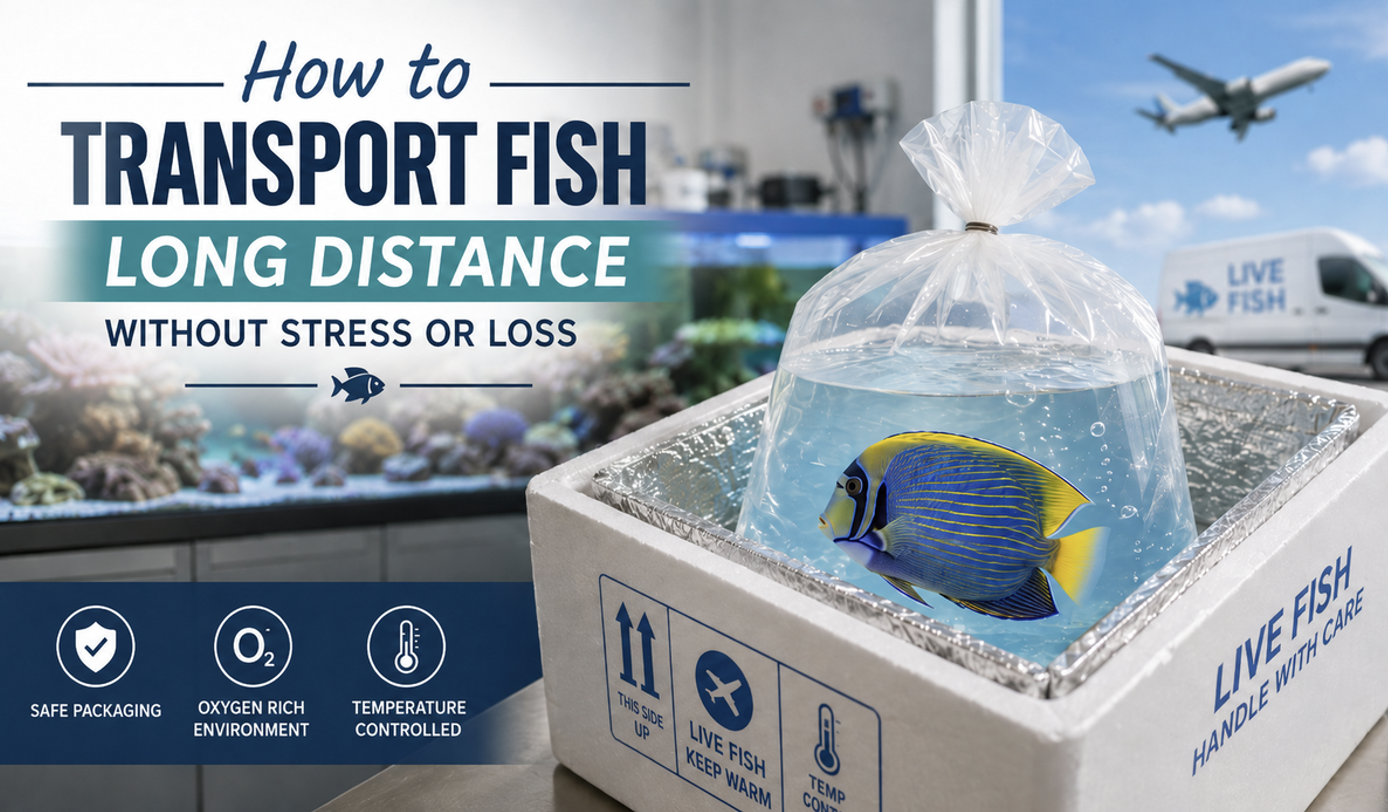
Consider the Container
The container is one of the most important things in the process. Ideally, you should get a container that's made for such things. You need a container with the right features for transportation, rather than a classic tank that's only made to look good on a shelf in your living room.
From this point of view, get a large container. It should be well insulated. This helps to keep the water temperature stable. You can also invest in a large bucket, but make sure it has a lid. If you transport small fish, you can use fish bags. Opt for professional bags. Also, you should get two bags for your fish, just to be safe.
Check the Oxygen
A long distance could be a matter of 30 minutes or a matter of five hours. Now, for such a long time, your fish will also require breathing. Oxygenation is one of those things that are often overlooked, but it could make a difference in the long run.
Simply put, you'll need an air pump that runs with batteries for your saltwater angelfish or other species. An air stone is also required. This will constantly move the water and pull fresh air into it, keeping oxygen levels more stable. The idea is to ensure the water stays oxygenated during transportation. It's one of the main requirements for a safe move.
Control the Temperature
The temperature isn't necessarily about the water. When not sure how to transport fish long distance, consider the method of transportation. If you do it in your own car, you need to keep the temperature stable, but not very warm.
A slightly cool temperature is ideal to keep oxygenation at the highest standards. However, if it's cold anyway, you may have to use heat packs. Avoid putting heaters in containers as they can break and harm or kill your fish.
Maintain Water Quality
Water quality is essential. Again, it depends on how long it may take you to transport the fish. For example, it might be a good idea to avoid feeding your fish about one or two days before the move. This is the best way to reduce the production of ammonia in the water.
Don't worry about the fish starving. It's not going to happen over a day or two, so you should have nothing to worry about. If needed, have a backup solution too, something to neutralize ammonia if such issues do arise.
Other Considerations
When not sure how to transport fish long distance, keep in mind that security should be one of your main concerns. You want everything to stay steady and quiet so the fish experience as little disturbance as possible. Containers should be kept in the dark. You can use lids, but you can also cover containers with blankets. It's the best way to reduce panic.
In terms of timing, try to complete the move as quickly as possible. Ideally, you should do it in less than a day. If it's just a matter of hours, even better. Longer transportation may require more planning upfront, as well as some breaks.
Tips and Tricks
Here are a few other ideas when not sure how to transport fish long distance.
- Don't overcrowd fish. A few fish per container will do. It obviously depends on the size. Overcrowding fish could lead to serious problems during transportation.
- Look after plants too. If you have a tank with natural plants, you'll also have to pay attention to the plants. Plants should normally be kept in a separate container. You can also move them in a bag with just a bit of water.
- Filter media. Try to keep the filter media wet, but not just any water. Instead, aquarium water is highly recommended because it's the best way to protect beneficial bacteria.
- Keep a checklist. Using a simple checklist before leaving can help you remember all these details and avoid last-minute stress.
Finally, once you get to your destination, don't just dump transportation water into the tank. Instead, you'll have to acclimate your fish slowly. Imagine it's a new tank that requires cleaning, filtering and so on. It's a whole process that you need to do from scratch.
As a short final conclusion, learning how to transport fish long distance is mostly a matter of common sense.
Sure, there are things you can do, as well as things that you should never do. Most importantly, you'll have to prepare for the trip in small details and plan every little bit of your trip, from containers to plants. Once you turn that planning into a habit, transporting fish becomes just another simple part of keeping an aquarium.




Leave a Reply