
It is difficult to imagine a kitchen without cabinets - they do not just fill the space, but shape of everyday functionality. The furniture selection process determines whether the kitchen functions as a comfortable space or an unorganized area. Therefore, the selection of kitchen cabinets goes beyond their visual appeal, as they affect user comfort throughout years of use.
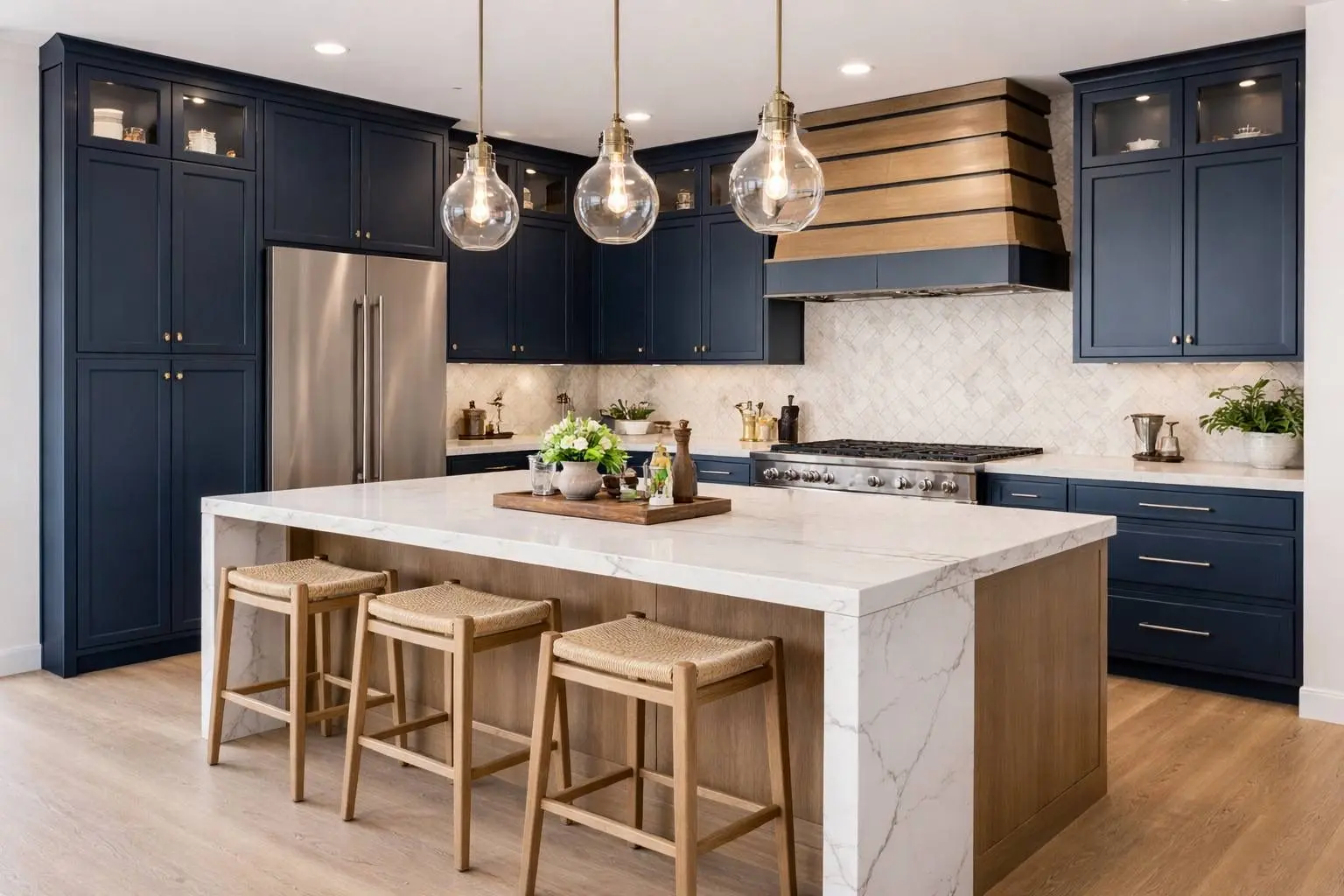
Kitchen Cabinets: The Foundation of Every Functional Kitchen
The primary elements of any kitchen workspace are the kitchen cabinets. Kitchen cabinets provide storage and organize kitchen essentials and appliances, and determine how smoothly daily kitchen activities run. Selecting kitchen cabinets requires assessing both their visual design and practical functionality.
An effective storage system helps maintain organization because every item is assigned a specific location that can be accessed within seconds. In addition, cabinets define the layout of work zones - sink, stove, refrigerator - which directly affects ergonomics.
Kitchen cabinets also form a visual style. Contemporary kitchen cabinets create open space through their design, delivering a clean aesthetic. The kitchen's design style will follow a modern or traditional path, depending on its design elements.
Types of Kitchen Cabinets and Their Key Differences
There are several main types of kitchen cabinets, each serving its role. Base cabinets are installed on the floor and serve as the basis for the countertop. Wall-mounted cabinets are attached to the wall and are ideal for storing dishes. Tall cabinets are often used for built-in appliances or as pantries.
In addition, it is important to understand the difference between manufacturing options:
- stock - affordable and quick to install;
- semi-custom - allows adjustments in size and details;
- custom - designed for a specific space and requirements.
Ready-made solutions are ideal for a limited budget, while custom cabinets give maximum design freedom, but require more time and investment. Your personal preferences and available resources will determine which option you choose.
Materials and Finishes Used in Kitchen Cabinets
Materials play a key role in the durability of modern kitchen cabinets. Most often used are plywood, MDF, or natural wood. Plywood is known for its strength, MDF for its smooth surface for painting, and wood for its natural beauty and durability.
Finishes are equally important. It determines not only the appearance, but also the practicality:
- matte surfaces hide fingerprints;
- glossy finishes add light and visually expand the space;
- laminate coatings are resistant to moisture and scratches.
Care also depends on the chosen materials. For example, natural wood requires more delicate cleaning, while laminated surfaces can easily withstand daily use.
Choosing the Right Kitchen Cabinets for Long-Term Value
The process of selecting kitchen cabinets requires weighing your financial limits against your need for high-quality materials. The initial visual appeal of inexpensive products fades over time as their performance and appearance deteriorate. The investment in high-quality materials and fittings will deliver benefits that endure over time.
The proper installation process holds equal weight with the installation itself. Optimal cabinet performance requires proper installation. The best way to access reliable information about kitchen cabinets is to contact trustworthy suppliers like Haydenislandcabinets or visit a reputable kitchen cabinet store for expert guidance.
The installation of kitchen cabinets directly affects a home's value. A well-designed kitchen not only boosts home appeal to prospective buyers but also improves daily living conditions.
When choosing kitchen cabinets, you should conduct a strategic evaluation that assesses both current needs and future requirements. This decision requires careful consideration, as it will affect your daily comfort.


Leave a Reply