
Australia is a nation built for road trips. Its long highways, including the 16,000km National Highway, stretch across a diverse landscape that includes everything from beaches and rainforests to deserts and mountains. In between, there are also hundreds of places of historical, indigenous, and cultural significance you can visit, as well as thousands of fascinating country towns.
When travelling through the Great Southern land, "The Big Loop" is an iconic way to do so. However, this isn't always possible for those who don't have much time on their hands, given the huge distances involved. That is why many travellers choose one-way camping trips as an alternative.
If you want to go on a proper camping road trip across Australia, a one-way hire keeps things simple. To start with, you move forward in one direction, which means you cover more ground. You also avoid that "after the Lord Mayor's Show" feeling of driving back past places you have already been to.
For those who aren't familiar with the concept of a one-way hire, you've probably got quite a few questions. This guide will walk you through how it all works, which routes are best for one-way travel, and how to plan a trip that feels relaxed rather than rushed. Hopefully, it will pique your sense of adventure and inspire you to hit the road.

What is a one-way hire and how does it work in Australia?
As its name suggests, a one-way hire means picking up your vehicle at one location and dropping it off at another. This can include cars, campervans, motorhomes, and even one-way truck hire for bigger camping setups or group trips.
In Australia, one-way hire is widely available between major cities and the most popular travel regions. This means you can choose to start your trip in one location, for instance, Sydney, and choose a different endpoint, such as Alice Springs. You can also choose the type of vehicle that best suits your trip. The vehicle hire company will manage the logistics of returning the car to Sydney behind the scenes.
Some companies charge more for the privilege of one-way hires. But for many travellers, it is a practical choice for those who want to embark on longer Australia road trip itineraries that cover large distances.
Best vehicles for a one-way camping trip
The right vehicle for your specific one-way trip will depend on where you want to go and what you want to see.
For many people, especially grey nomads and couples, campervans are the most common option for one-way travel. They provide sleeping space, basic cooking facilities, and easy access to campgrounds. This type of setup works well for travellers who want a simple, practical and convenient mode of transportation.
Other options include car hire, which is great if you want to cover more ground quicker. It gives you more freedom to travel and usually costs less than a campervan. When hiring this type of vehicle, just be mindful of whether you intend to go off-roading. If you do, you will most likely require a 4WD.
Larger vehicles, including trucks and motorhomes, suit groups or those planning to go on long trips with extra gear. They are ideal for families or travellers planning extended stays rather than quick overnight stops, and for those moving home over a long distance.
Popular one-way camping routes across Australia
Given the size of the country and the thousands of campgrounds within it, there are many different one-way camping routes available to you.
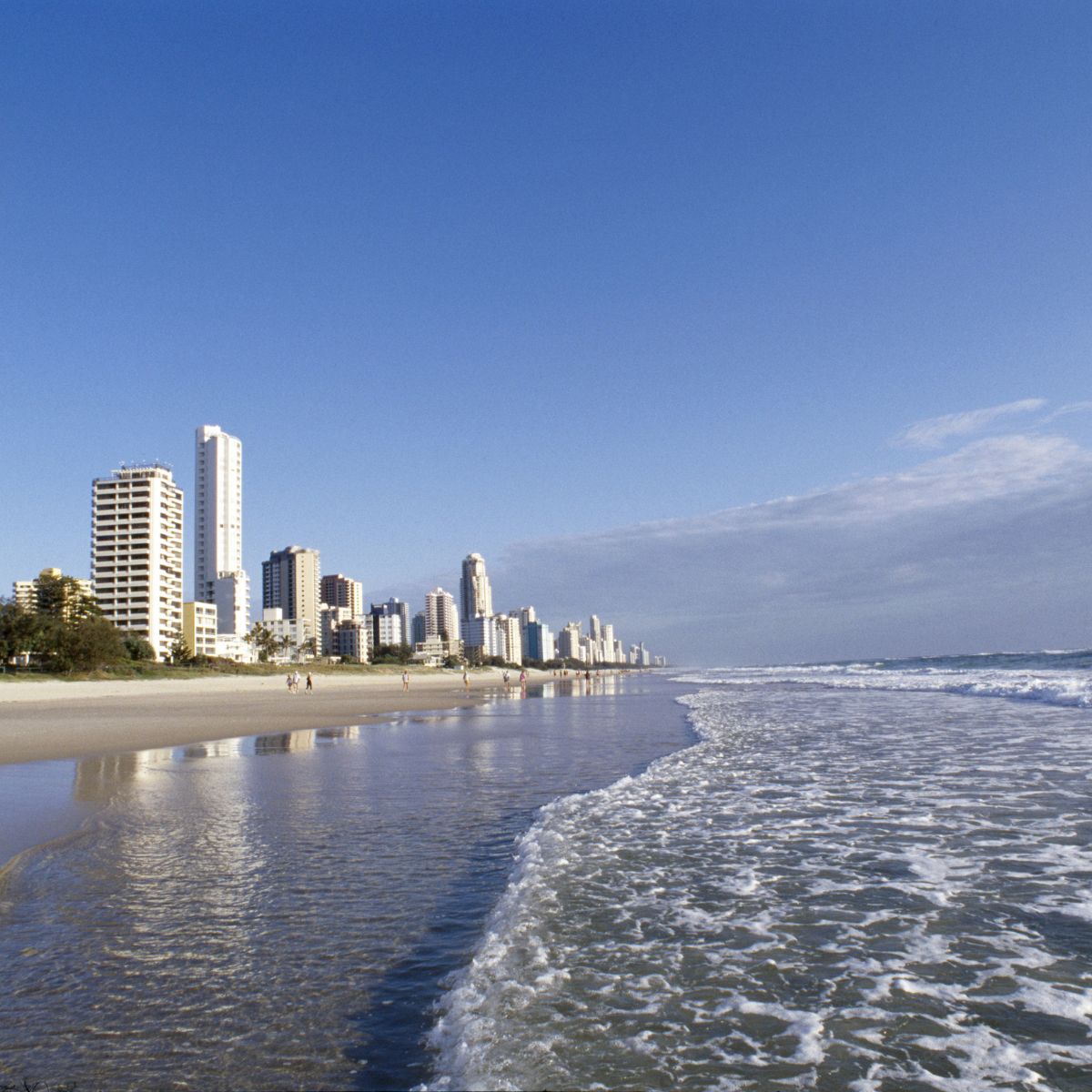
The East Coast remains one of the most popular destinations, with the route from Sydney to Brisbane or Cairns allowing campers to explore beaches like Byron Bay and Surfer's Paradise, national parks, such as Lamington National Park and Daintree National Park, and the Great Barrier Reef.
Elsewhere, the Great Ocean Road is another good route, especially when combined with South Australia. It offers dramatic views of the 12 Apostles and the Fleurieu Peninsula. Over in Western Australia, routes from Perth to Exmouth and Broome showcase landscapes that have changed little in thousands of years. For those who would rather explore the guts of the country, a drive to the Red Centre enables you to enjoy space, solitude, and outstanding natural beauty.
How to keep one-way hire costs down
The cost of a one-way hire varies depending on the route you choose and the season you travel. As you might expect, some drop-off fees are higher during busy periods, such as the school holidays. That is why booking early is a good ploy to secure better pricing and availability.
Where possible, look out for campervan relocation deals. These deals involve driving vehicles that need repositioning from one location to another. They suit travellers who have flexible schedules.
Whatever type of vehicle you choose, as a general rule, smaller ones will use less fuel and cost less to hire.
Camping tips that make one-way travel easier
Australia is home to thousands of campsites, many of which are free. Therefore, you should have plenty of opportunities to find a suitable place to stay. You can use apps and websites like Wikicamps, CamperMate, and HipCamp, as well as local visitor centres and online resources, to locate both free and paid camping options.
Free camps work especially well for overnight stops and remote areas. However, many people prefer to stay at paid campsites that offer amenities such as power, showers, and water.
If you are weighing up different camping setups, our caravan vs campervan vs motorhome guide provides a helpful comparison you might want to follow.
Mistakes first-timers make with one-way camper hire
Many travellers, in particular those from overseas, underestimate how long drives can take in Australia. While distances look short on maps, they can take several hours in real time on the road, especially if you factor in stopping for food, bathroom breaks or sightseeing activities. Always add a couple of hours to your plans when determining how long it will take you to reach your overnight destination.
As mentioned earlier, it is important to choose the right vehicle for your trip. Campervans or 2WD might not be appropriate for dirt roads. It's always a good idea to check with the vehicle hire company. They will advise you on which one is more appropriate for your intended route.



Leave a Reply