
For homeowners, deciding between tackling plumbing issues yourself and hiring a licensed professional can be a challenging decision. The allure of saving money by opting for a DIY approach is tempting, but it may come with risks that could lead to more significant problems down the line. On the other hand, hiring a licensed Plumber ensures expertise and adherence to specific standards, but at a higher initial cost. This article will explore the pros and cons of both options, helping you make an informed decision for your home and family.
DIY Plumbing: Cost-Effective Solutions or Risky Choices
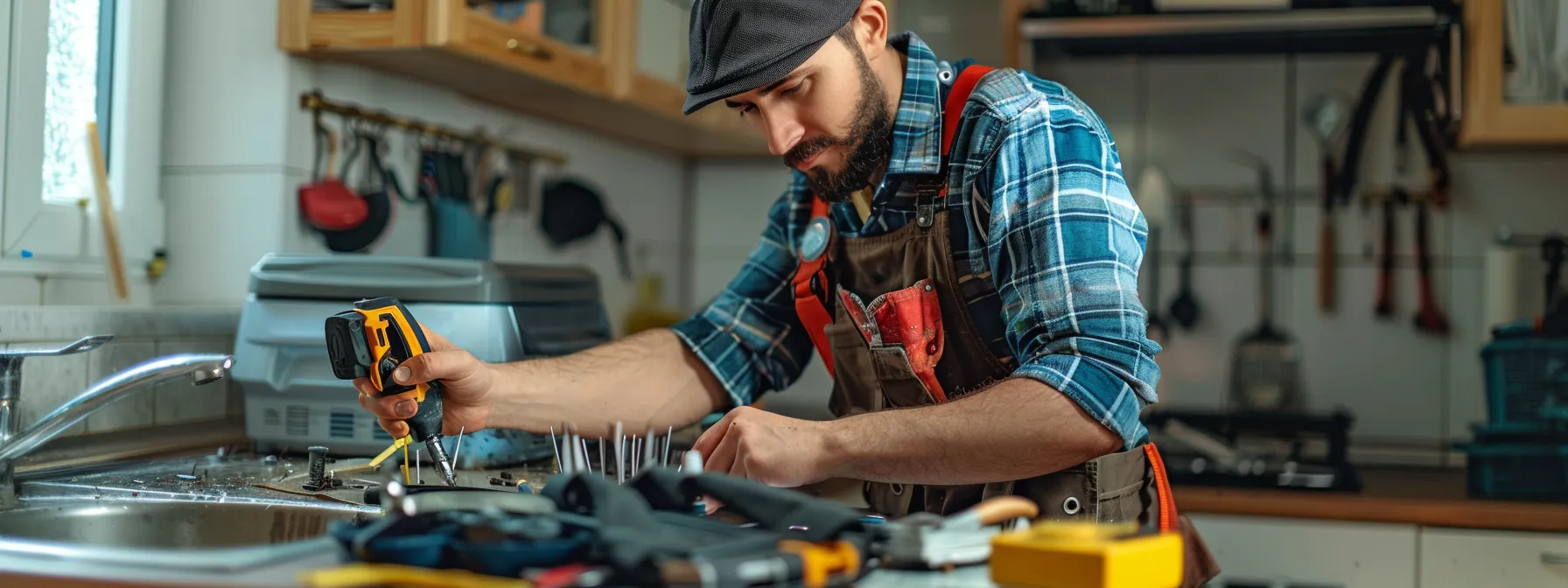
DIY plumbing projects can seem like a budget-friendly option, especially for minor repairs like fixing a leaky faucet or unclogging a drain. The internet is filled with tutorials and videos that make these tasks appear simple. However, without proper knowledge and tools, what seems like a straightforward task can quickly escalate into a costly mistake. For instance, not adhering to Indoor Air Quality (IAQ) Standards during a plumbing job can lead to poor ventilation and mold growth, impacting your family's health. While DIY projects offer the benefit of saving on labor costs, they often lack the guarantee of quality and compliance with regulations. Homeowners taking on plumbing tasks may not realize the importance of Universal Design Principles, which ensure that fixtures and layouts are accessible to all family members, including those with disabilities. If a mistake occurs, it can result in significant water damage and increase future repair costs. Ultimately, the DIY route should be reserved for the simplest tasks, and homeowners should always weigh the risks against the potential savings. Reviewing your Homeowner's Insurance Policy Endorsements can clarify what consequences a failed DIY project might have on your coverage. Moreover, when facing plumbing challenges, it's wise to consult a Plumber to assess the situation properly.
Licensed Plumbing: Ensuring Professional Quality and Compliance
Hiring a licensed Plumber provides several advantages that DIY approaches simply cannot match. Licensed professionals bring a wealth of experience and deep knowledge of local plumbing codes, ensuring that every repair meets the necessary regulations, such as those found in Homeowners Association (HOA) bylaws. This compliance is crucial for not only the safety of your family but also for maintaining the value of your home.
A licensed Plumber is more likely to be aware of the latest technologies and materials, such as Eco-Friendly Building Materials and Smart Home Integration Protocols, offering solutions that are both sustainable and future-ready. This knowledge ensures that repairs are done correctly the first time, reducing the likelihood of recurring issues that could lead to more extensive damage.
Moreover, licensed Plumbers have access to advanced tools and equipment that are often unavailable to DIY enthusiasts. This expertise and access can make a significant difference in the outcome of the repair, providing peace of mind and a guarantee of quality work.
Comparing Skills: When DIY Falls Short Against Licensed Expertise
While DIY projects might seem manageable, they often lack the technical skills and experience that licensed Plumbers possess. For example, understanding the complexities of a Home Energy Rating System (HERS) requires professional knowledge to ensure that plumbing systems are energy efficient and environmentally friendly. This level of expertise is typically beyond the reach of a DIY enthusiast.
Licensed Plumbers undergo extensive training and certification, equipping them with the ability to handle complex plumbing issues, such as those involving lead pipes. They are required to follow Lead-Based Paint Disclosure laws when working on older homes, ensuring safety and compliance. In contrast, a DIY approach may overlook such critical safety measures, posing a risk to your home and family.
Furthermore, in cases where emergency repairs are needed, a licensed Plumber can provide immediate and effective solutions. According to a recent EPA report, household leaks can waste nearly 10,000 gallons of water annually, which is why timely and expert intervention is crucial.
Making the Right Choice: Factors to Consider for Plumbing Repairs
When deciding between a DIY approach and hiring a licensed Plumber, several factors should be taken into account. The complexity of the repair is a primary consideration. Simple tasks might be manageable for the average homeowner, but anything involving major repairs or installations should be left to a professional. Additionally, time and convenience play a significant role. A licensed Plumber not only saves time but also prevents the hassle of potential do-overs.
Cost is another significant factor. While a Consumer Financial Protection Bureau study shows that professional services can be costly upfront, they often save money in the long run by preventing repeat repairs and water damage. Hiring a licensed Plumber ensures that your repairs meet all legal and safety standards, offering a long-term solution rather than a quick fix.
Finally, consider the availability of resources and tools. Licensed Plumbers have access to the latest equipment and materials, such as those used in Home Accessibility Modifications, which can be crucial for specific needs. This access ensures that repairs are not only effective but also aligned with the latest industry standards.
Conclusion

Deciding between a DIY approach and a licensed Plumber should be based on a careful assessment of the repair's complexity, cost, and potential impact on your home and family. Licensed professionals offer a guarantee of quality and compliance, making them the preferred choice for ensuring safe and effective repairs. For homeowners, investing in a professional Plumber can protect your home's value and your family's well-being, providing peace of mind and confidence in the work performed.


Leave a Reply