

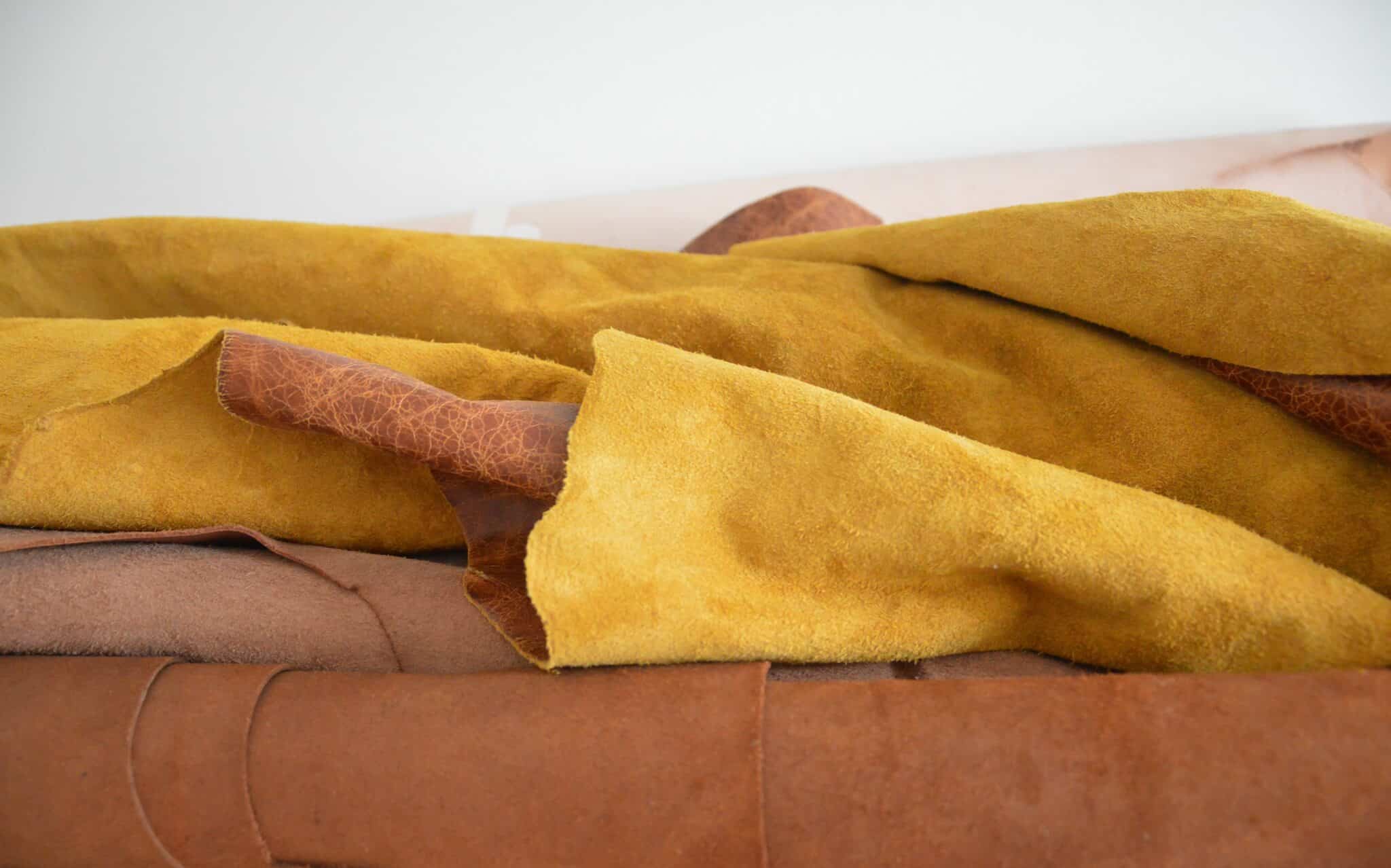
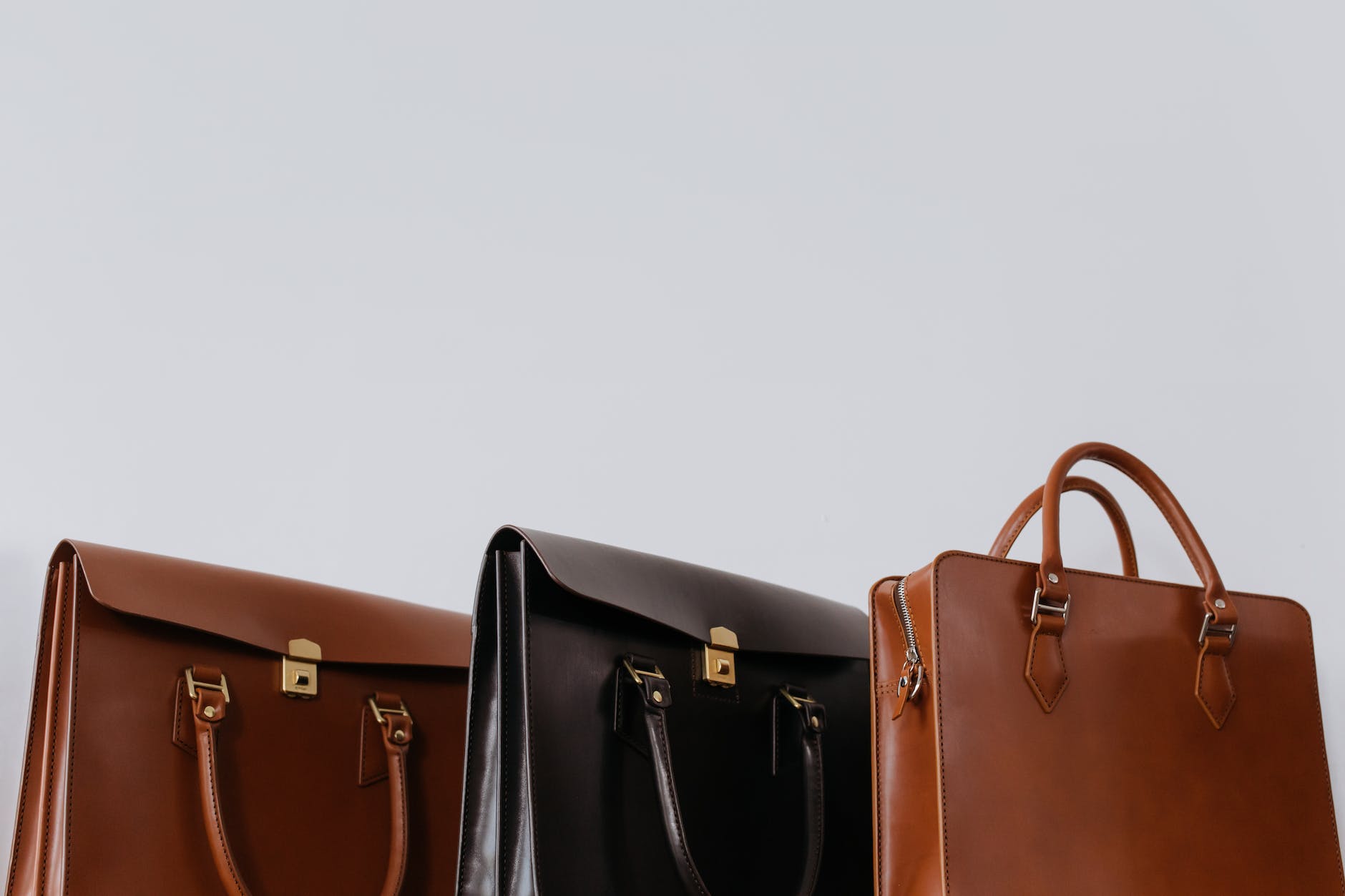
Leather is one of the most versatile materials found in homes, with items like leather shoes, jackets, and furniture becoming part of everyday life. Over time, however, leather items may lose their appeal due to wear or simply because of changing tastes. Fortunately, you don't have to discard your leather goods; instead, you can breathe new life into them with natural leather dye. This guide will take you through the dyeing process, offering tips and techniques to ensure you achieve the best results.
This post contains affiliate links and I may receive a small commission if you visit a link and buy something. Purchasing via an affiliate link doesn't cost you any extra, and I only recommend products and services I trust. I may have been sent some of the products in this post free of charge or paid to feature them here. Thank you for supporting this blog.
Why Choose Natural Leather Dye?
With a plethora of modern dyes and mass produced dyes available in stores, you might wonder why natural leather dye is worth considering. Here are some compelling reasons:
- Eco-Friendly: Natural leather dyes are more environmentally conscious than synthetic alternatives. By opting for natural methods, you minimize chemical pollution and reduce waste.
- Less Toxic: Natural dyes are generally safer to use, especially in homes with children and pets. They are less likely to emit harmful fumes during the dyeing process. It's therefore a great option for dyeing kids winter shoes.
- Cost-Effective: Making your own dye from readily available ingredients is not only cheaper but also allows for greater customization.
- Accessible Ingredients: Many of the materials needed for natural dyeing are common household items, making it easy to start your project without a special trip to the store.
What Can You Use to Dye Leather Naturally?
Dyeing leather naturally has been a practice for centuries, with various ingredients yielding different shades and finishes. The type of leather you're working with plays a crucial role in how well the dye adheres. Vegetable-tanned leather, for instance, is known for absorbing natural dyes effectively, making it the best dye for achieving vibrant and lasting results. Before you start, it's a good idea to test the dye on a scrap piece of leather or a small area of your leather item to ensure the desired color is achieved.
Whilst most of the natural methods of dyeing leather will work on the majority of leather, vegetable-tanned leather will take the dye the best. Veg-tanned leather is completely untreated, and therefore it is easier for the dye to adhere to.

Acorns: For Dark Brown and Black Leather Dye
Acorns are a natural source of tannins, which, when combined with an acidic iron-salt solution, produce a rich black dye that can also yield a dark brown shade depending on the base of the dye and the starting color of your leather. They are a great choice when deciding how to darken leather naturally.
Materials Needed:
- 15 acorns
- Water
- Lemon juice
- Rust powder
Instructions:
- Crush the acorns into a fine powder.
- Mix the acorn powder with water until it fully submerges your leather item.
- Soak the leather in this mixture overnight.
- Meanwhile, prepare a second solution by mixing lemon juice with rust powder.
- After the initial soak, transfer the leather to the second solution and let it soak overnight again.
- The reaction between the tannins in the acorns and the iron-salt mix will impart a deep color to the leather.
- Shake off any excess dye and allow the leather to dry.
Berries and Grapes: For Vibrant, Water-Based Dyes
Berries like elderberries and blackberries, as well as grapes, are excellent for creating vibrant, natural water-based dyes. This method is particularly suited for those who want to explore different shades without using synthetic dyes. The end result will of course depend on the leather natural color.
Materials Needed:
- Fresh or frozen berries/grapes
- Hot water
Instructions:
- Crush the berries or grapes to release their natural juices.
- Add hot water to the mixture to create your dye bath.
- Submerge your leather item in the dye and let it soak overnight.
- After soaking, remove the leather and wipe away excess moisture with a clean cloth.
- Allow the leather to dry thoroughly.
Henna: A Versatile, Aniline Dye Alternative
Henna, derived from the Lawsonia Inermis plant, offers a natural alternative to aniline dyes. Known for its vibrant, lasting color, henna can be used on various types of leather, including top grain leather, to achieve a deep, rich finish.
Materials Needed:
- Henna powder or paste
- Water
Instructions:
- Mix henna powder with water to create a thick paste.
- Apply the paste to the leather surface using a wool dauber or soft cotton rag, working in a circular motion.
- For a more controlled dye application, rub the paste directly onto the leather.
- Leave the henna to set overnight.
- Rinse off any excess dye and let the leather dry.
Vinegar and Steel Wool: Creating a Leather Black Dye
Known as vinegaroon, this method relies on a chemical reaction between steel wool and vinegar to produce a natural black dye. It's a traditional technique that works exceptionally well on veg-tanned leather.
Materials Needed:
- Steel wool
- White vinegar
- Water
- Two sealable jars
Instructions:
- Place steel wool in one jar, fill with water, and seal. Let it sit until the steel begins to rust.
- Once rusted, transfer the steel wool to another jar and pour boiling vinegar over it. Seal and let it sit for a few days.
- Soak your leather item in the vinegar solution for up to 5 minutes.
- Rinse the leather and allow it to dry naturally.
Coffee: A Good Way to Achieve Brown Dye
Coffee is a popular and accessible method for dyeing leather, providing a warm brown hue. It's important to note that coffee dye can dry out the leather, so conditioning afterward with neatsfoot oil or olive oil is essential to restore the original softness of the leather. If you have a friend asking how do I dye leather naturally, coffee is the homemade leather dye you should suggest first.
Materials Needed:
- Dark roast coffee
- Rubbing alcohol
- Iron (optional)
Instructions:
- Brew a strong pot of dark roast coffee.
- For a darker shade, add a small amount of iron to the brew.
- Allow the mixture to cool, then add a splash of rubbing alcohol.
- Submerge your leather item in the coffee dye bath and let it soak.
- Remove the leather, wipe off excess liquid with a soft cloth, and condition immediately with a leather conditioner.
Preparing the Leather Surface for Dyeing
The success of your dyeing process hinges on how well you prepare the leather. Start by cleaning the leather surface with a leather cleaner or a mixture of soap and water. This step is crucial, especially if the leather has been previously treated with oil-based dyes or other finishes. Ensure the leather is completely dry before applying any dye.
Applying the Dye: Thin Coats for Best Results
When applying your chosen natural dye, the best way to achieve an even color is to work in thin coats. Use a wool dauber, soft cotton rag, or even cotton balls to apply the dye in a circular motion, allowing each coat to dry before applying the next. This layering technique helps in building up the color gradually, giving you more control over the final result.
If the initial color is too light, apply a second coat, and if necessary, a dye reducer can be used to adjust the intensity of the dye. For large areas like a leather couch or leather sofa, working in sections ensures an even application.
Post-Dyeing: Conditioning and Finishing
After the dyeing process, it's essential to condition the leather to maintain its suppleness and durability. Apply a leather conditioner such as neatsfoot oil or olive oil using a soft cloth, working it into the leather in circular motions. This step restores moisture lost during the dyeing and prevents the leather from drying out.
Once conditioned, consider applying a leather finish to protect the dyed leather. This final coat of dye sealant will help lock in the color and provide a layer of protection against wear and tear.
Final Tips for Leather Dyeing Success
- Work in a well-ventilated area to avoid inhaling any fumes, even from natural dyes.
- Wear gloves to protect your hands from staining.
- Test the dye on a small area or a scrap piece of leather first to ensure the desired color.
- Use a hair dryer to speed up the drying process between coats if needed.
- For unfinished leathers, be aware that they may absorb the dye more quickly, leading to a darker color.
Conclusion: Revive Your Leather Items with Natural Dyes
Dyeing leather naturally is not only a sustainable practice but also a rewarding one that allows you to personalize your leather products. Whether you're aiming for a classic dark brown, experimenting with different shades, or looking to restore a favorite leather item to its former glory, natural dyes provide a versatile and eco-friendly solution. By following these steps and tips, you can achieve the best results and enjoy your dyed leather for years to come.
If you found this guide helpful, don't forget to share it with friends and family who might also be looking to revitalize their leather goods naturally.






Leave a Reply